Herbal supplements have carved out a big space in wellness routines for a lot of people around the world. These natural remedies show up in kitchen cupboards, health stores, and smoothie recipes online for good reason. I see folks turn to herbal extracts, capsules, teas, and tinctures to support everything from relaxation to digestion, and there’s a solid list of benefits when they’re used thoughtfully. While it’s always smart to talk with a healthcare pro before starting anything new, tracking down what herbal supplements can offer is pretty interesting and, honestly, makes healthy living less overwhelming. Here, I’m exploring the top 10 health benefits I’ve come across from herbal supplements, with a friendly breakdown of what they are, how they work, and handy tips for picking what’s right for you.
What Are Herbal Supplements?
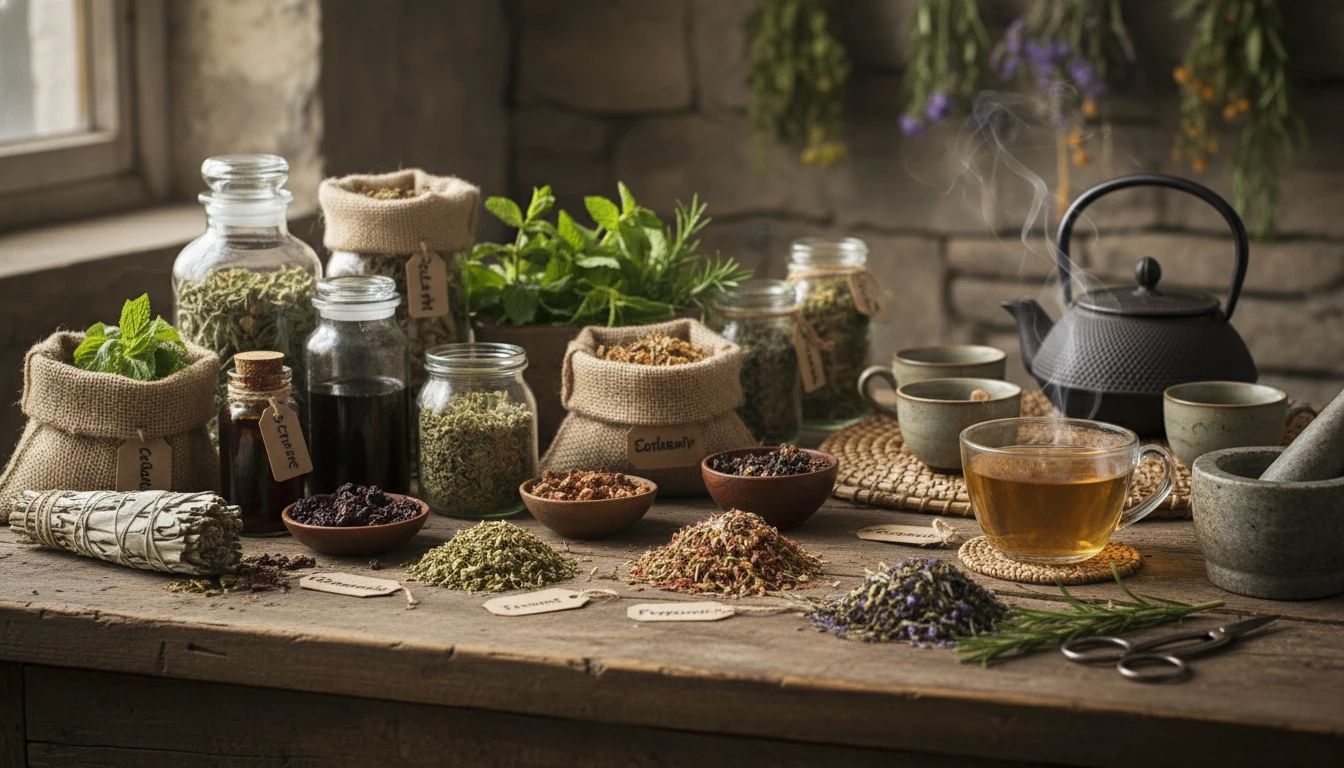
Herbal supplements are products made from plants and meant to support health in many different ways. You’ll see them as teas, powders, capsules, and even liquid extracts. Some classics include ginger for an upset stomach, echinacea for immune support, and ginkgo biloba for brain health. People have used herbs in traditional medicine for thousands of years, with origins stretching from ancient China to Ayurveda in India. The modern versions have just bottled that tradition in handy forms.
It’s really important to know that not all herbs are equal, and the science on some is stronger than on others. Still, the interest in herbal options comes from a mix of tradition, curiosity, and the need to have more natural health tools. Here’s how these supplements get worked into daily life:
- Capsules & Tablets: Super convenient, easy to carry, and you don’t taste the herb (great if you’re not keen on earthy flavors).
- Teas & Tisanes: Brewing up herbs like chamomile or peppermint feels relaxing and is perfect before bed.
- Powders: Great for blending into smoothies or juices, especially popular with greens and roots.
- Tinctures: Concentrated liquid extracts; just a few drops in water is usually enough.
Top 10 Health Benefits of Herbal Supplements
Sorting through the wide world of herbal supplements, some benefits are mentioned again and again. These are the ones I’ve noticed people rave about (and that research often backs up):
- Boosting Immunity: Herbs like echinacea, elderberry, and astragalus are favorites during cold and flu season. Plenty of people reach for these when they feel something coming on, and some studies suggest a link between certain herbs and immune cell support.
- Supporting Digestive Health: Ginger root, peppermint, and fennel don’t just make dishes taste fresh, they’re also used for calming stomach upset, easing bloating, and supporting regular digestive flow. Ginger, in particular, is well-studied for nausea relief.
- Increasing Energy and Focus: Ginseng, rhodiola, and ashwagandha are commonly taken for a steady energy boost and to help with mental alertness. I see these blended into capsules or smoothie powders for a midday pick-me-up without the caffeine jitters.
- Reducing Stress and Anxiety: Adaptogens like ashwagandha, holy basil (tulsi), and valerian root pop up a lot for their calming effects. Many people add them to their routines to help manage stress or to wind down at the end of the day.
- Boosting Sleep Quality: Chamomile and valerian root are sleep-time drink staples. These herbs have relaxing properties that can help ease the body into sleep, and they’re easy to find as teas.
- Supporting Heart Health: Hawthorn, garlic, and turmeric pop up often in heart healthy routines for supporting healthy blood pressure and cholesterol levels. Garlic, for example, is well known for its cardiovascular benefits.
- Promoting Healthy Joints: Turmeric and boswellia are natural options people try for joint comfort. The active compound in turmeric, curcumin, packs some anti-inflammatory effects that joint health enthusiasts appreciate.
- Providing Antioxidant Support: Herbs like green tea, rosemary, and oregano offer strong antioxidant power for protecting cells from everyday stressors. Antioxidants are a big deal for anybody wanting to support graceful aging.
- Improving Cognitive Function: Ginkgo biloba and bacopa monnieri are top picks for memory and focus support. Some folks use them for studying, while others are curious about their long-term brain benefits.
- Supporting the Immune System During Stress: Eleuthero and astragalus have roots in traditional medicine, especially for supporting the body’s resilience during busy or stressful times. Adaptogenic herbs help balance the stress response, which in turn can be good for the immune system overall.
How to Choose the Right Herbal Supplement for You
Finding your way through all the herbal options can feel like scrolling through a giant online menu, and the truth is, not everything will be right for everyone. Making an informed decision is super important, since quality, safety, and what works for your body all matter.
- Start with Your Needs: Pinpoint what you’re hoping to support: better sleep, a calmer mood, or maybe just want to ward off seasonal sniffles. This gives you a good starting point for your research.
- Check for Quality: I look for supplements that are third-party tested or have a quality certification on the label. Reading reviews and asking about a company’s sourcing can help lessen the guesswork.
- Pay Attention to Dosages: Herbal supplements aren’t one size fits all. Labels usually suggest an amount, but it’s best to get advice from a healthcare pro, especially if you’re taking any meds or have health concerns.
- Watch for Allergies and Interactions: Just like with foods, herbs can trigger allergic reactions or interact with other stuff you’re taking. Double check if the supplement is safe for you, and always start low if you’re new to an herb.
Common Challenges and What to Look Out For
Even the most natural-sounding herbal supplement can come with a few things to watch out for. Here are some of the bumps people sometimes hit along the way, and how to dodge them:
- Consistency is Key: Unlike over-the-counter meds that work right away, herbal supplements can take longer to show an effect. Staying consistent is important to give them a fair shot.
- Quality Varies: The herbal supplement world isn’t as strictly regulated as prescription meds. Research brands, check batch numbers, and be a little skeptical of ‘miracle’ claims.
- Possible Side Effects: While most common herbs are pretty gentle, some (like kava or comfrey) can have stronger side effects. Reading up and using trusted forms helps keep things safe.
Common Example: Turmeric and Digestive Upset
A lot of people try turmeric for its anti-inflammatory buzz, but some notice stomach upset, especially at higher doses. Starting with a low amount, having it with food, or using a blend with black pepper (to help absorb curcumin) makes it more manageable.
Why Talk to Your Doc?
Mixing herbal supplements with prescription meds can lead to unexpected interactions. If you have a medical condition or take daily prescriptions, talking with your healthcare provider is super important before bringing new herbs into the mix.
Advanced Tips for Getting the Most from Herbal Supplements
Looking to take your herbal routine up a notch? Combining healthy habits with herbal boosts is where I’ve seen the best results over time. Here’s what I’ve learned works well:
- Cycle Your Use: Some herbalists recommend taking short breaks from regular use. This helps your body stay responsive to the benefits (especially with adaptogens).
- Pair with Lifestyle Tweaks: For stress relief, bring in calming teas alongside meditation or gentle yoga. For energy, use ginseng but make sure you’re getting solid sleep too.
- Use with Food: Taking herbs with meals can improve absorption and comfort, especially true for the stronger tasting roots and spices.
It’s also helpful to keep a journal noting what herbs you try, how they make you feel, and any side effects or changes. Over time, these notes can give you a clear idea of which supplements genuinely give you a boost and which ones may not fit your needs.
Popular Uses for Herbal SupplementsI
Sometimes the benefits of herbs shine brightest in certain real-life situations. Here are a few spots where herbal supplements can fit right in:
- Before Bedtime: Drinking a warm cup of lemon balm or chamomile tea is a simple way to prepare for sleep.
- Busy Workdays: Adding rhodiola capsules for stamina or swapping coffee with matcha green tea pumps up both focus and antioxidants.
- After Workout Recovery: Taking turmeric or ginger can help support joint comfort and soothe tired muscles, especially after intense exercise routines.
- Travel and Jetlag: Some herbs like ashwagandha and holy basil may help with stress management and overall wellbeing during travel, helping you adjust to new time zones or changes.
Frequently Asked Questions
It’s normal to have questions before starting herbal supplements. Here’s what people ask me the most:
Question: How long does it take to notice benefits from herbal supplements?
Answer: Some herbs work quickly (like ginger for nausea), but others, especially adaptogens, might take a few weeks of steady use to feel a difference.
Question: Can you use more than one herb at a time?
Answer: A lot of blends combine herbs for support in more than one area, just make sure you’re not doubling up on similar effects or running into interactions.
Question: Do herbal supplements work for everyone?
Answer: Everyone responds to herbs a little differently. Genetics, health status, and even diet can influence how you feel, so finding what works for you is all about experimenting safely.
Question: Are herbal supplements safe for kids or older adults?
Answer: Some herbal supplements are not recommended for children or seniors. Always check in with a healthcare provider before considering herbal support for anyone outside typical adult age ranges.
Final Thoughts
When it comes to herbal supplements, it’s all about matching your health goals with safe, good-quality options and paying attention to how your body reacts. Nature has a lot to offer, and using herbal support thoughtfully can be a handy and rewarding part of a healthy lifestyle. Stay curious, stay informed, and enjoy finding what works best for you!
If you have any questions on herbal supplements i am happy to help in the comments below.